Travel that inspires · Iconic routes
Backpacking Southeast Asia
Golden temples, steaming bowls of noodles and nights in shared dorms: the route every backpacker walks at least once.
Golden temples, steaming bowls of noodles and nights in shared dorms: the route every backpacker walks at least once.
Backpacking through Southeast Asia remains, two decades after the trail first went mainstream, one of the most transformative journeys out there: Thailand, Vietnam and Cambodia strung together by night buses, slow trains and border crossings you make on foot. This guide gathers the best time to go, how much it costs to travel per day at each budget level, the recommended route leg by leg and where to sleep without emptying your backpack of cash.
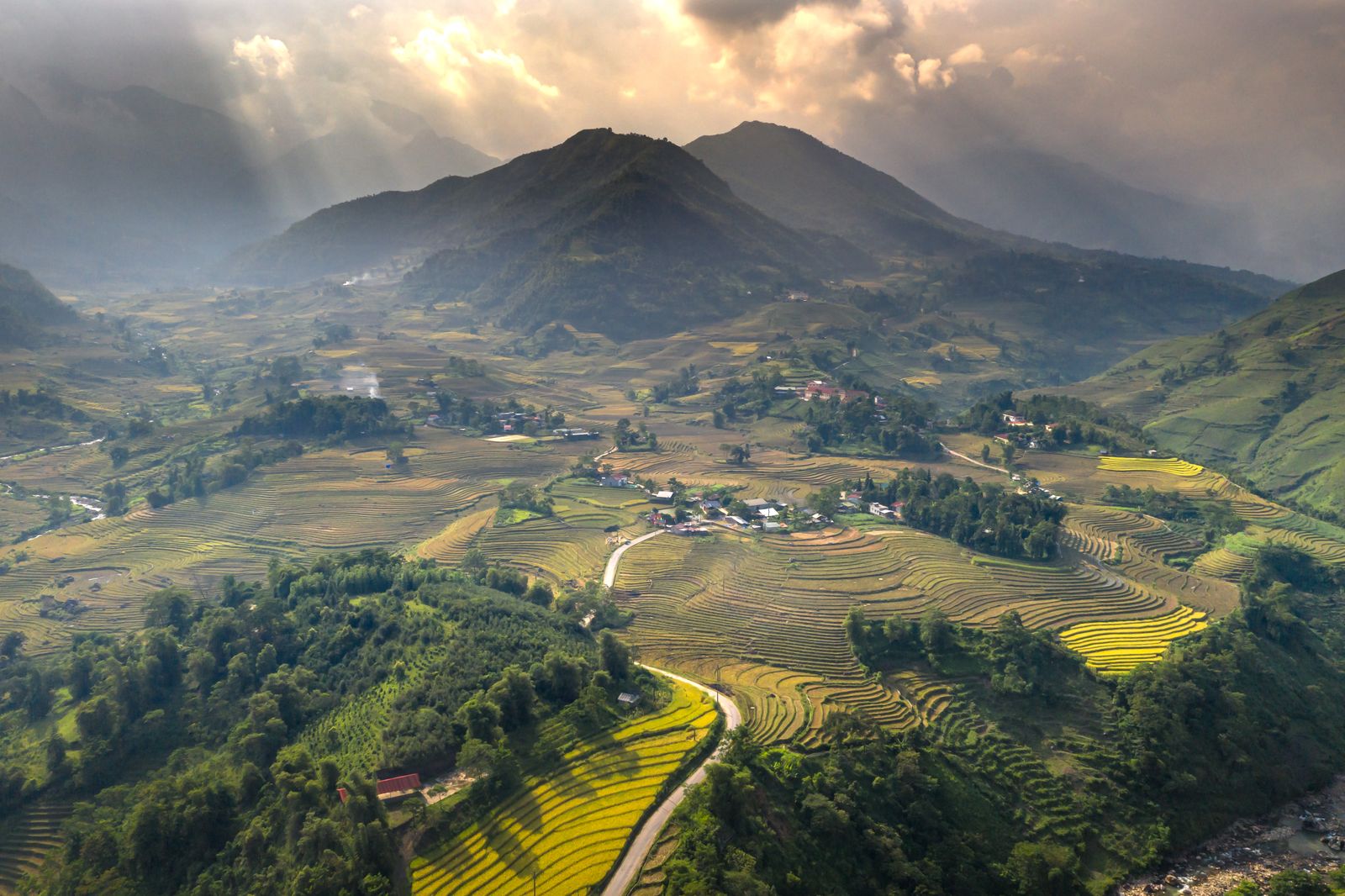
It's a trip of contrasts: the nighttime energy of Bangkok, the green silence of the rice terraces in northern Vietnam and the sleeping stone of the temples of Angkor, all tied together by that same feeling of finally being on the road with no fixed itinerary.
| Level | Per person / day | What it includes |
|---|---|---|
| Backpacker | USD 20–25 | Hostel dorm bed, street food, local transport and temples that are free or cheap to enter. |
| Mid-range | USD 45–60 | Private room or 3-star hotel, the occasional group tour and one leg on a low-cost domestic flight. |
| Premium | USD 120 or more | Boutique hotels, private guided tours, spas and domestic flights at convenient times. |
Budget on the ground, per person, excluding international flights.
The classic route enters through Bangkok, climbs into northern Thailand, crosses into Vietnam by cheap flight or overland from Laos, runs down the Vietnamese coast from north to south and closes in Cambodia before flying home from Siem Reap or Phnom Penh.
 First stop
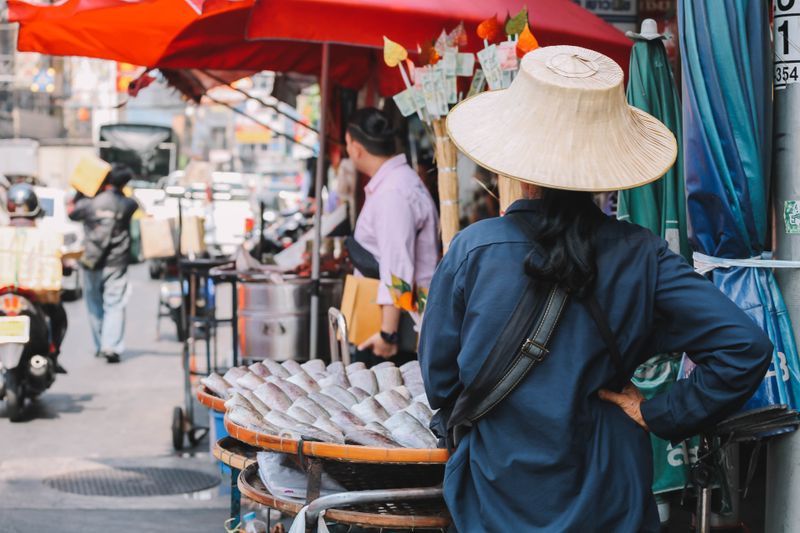
Almost every backpacker starts here, and for good reason: Bangkok welcomes you with temples that gleam by day and night markets that smell of lemongrass and grilled satay. From there the road climbs toward Chiang Mai, where dark-wood temples mingle with specialty coffee shops, and ends on the mountain switchbacks of Pai, a town that keeps travelers longer than they planned.
 Second stop
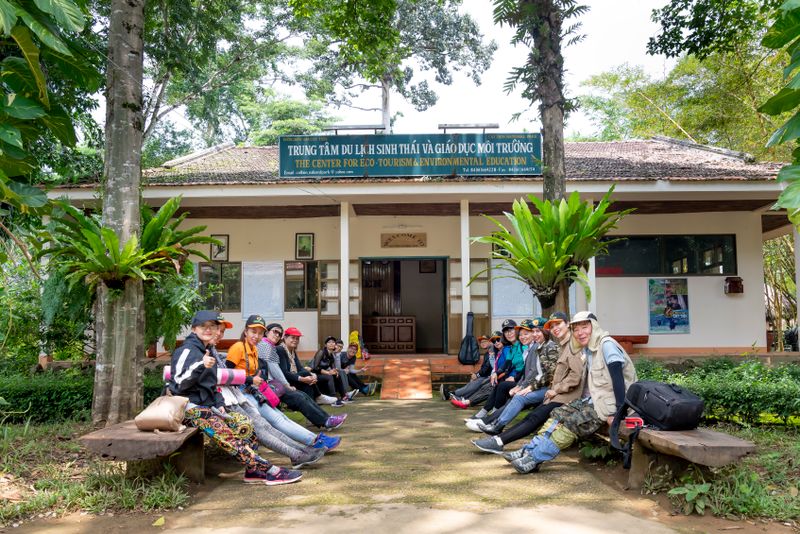
Vietnam is the longest leg of the route and the one whose scenery shifts the most: the maze of alleys in Hanoi gives way to the limestone cliffs of Ha Long Bay, and the coast then drops down to Hoi An, where silk lanterns light up a quiet river, before reaching the vibrant chaos of Ho Chi Minh City. The coastal train, the famous "Reunification Express," is itself part of the experience.
 Third stop
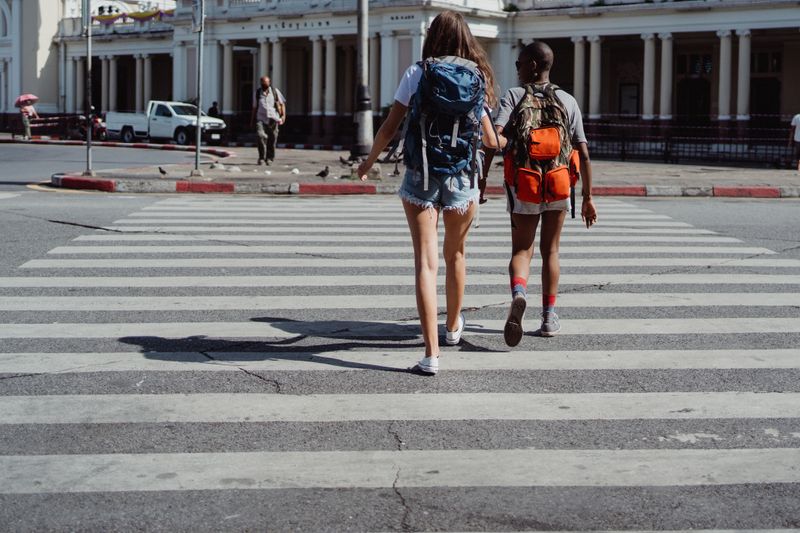
Cambodia closes the trip with the stop many wait for most: the temples of Angkor, a complex so vast you explore it by bicycle or tuk-tuk over two or three full days. Siem Reap, the base town, blends night markets with a food scene that grows every year, and a short distance away Tonlé Sap lake offers a serene contrast of floating villages.