A trip that inspires · Natural phenomena
The Serengeti Migration
Follow the pulse of a million wildebeest crossing the endless savanna.
Follow the pulse of a million wildebeest crossing the endless savanna.
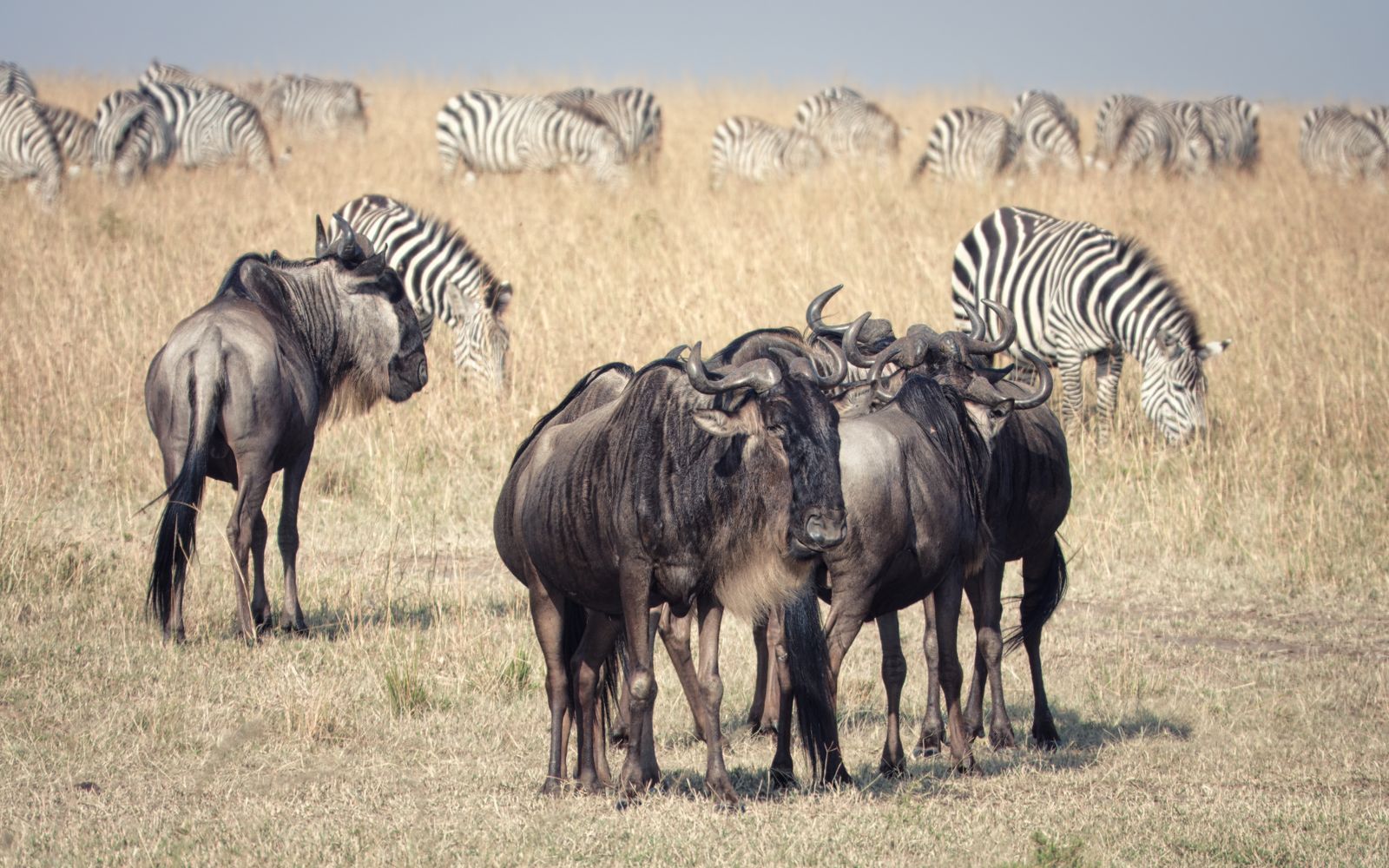
Every year, close to two million wildebeest, zebras and gazelles travel a circuit of more than 800 kilometers between Tanzania's Serengeti and Kenya's Masai Mara, in the largest movement of big mammals on the planet. This guide brings together when to see the Serengeti migration depending on the season you're after, how to plan the route between the Ngorongoro Crater, the Serengeti and the Masai Mara, how much to budget per day and where to stay so you don't miss the pivotal moment of the trip.
The journey changes character month by month: golden plains and newborn calves in the south in January, columns of animals grazing their way through the central grasslands by May, and the most cinematic moment of all —thousands of wildebeest plunging into the Mara River among the crocodiles— around July and August. On this trip, timing the date right matters just as much as choosing the destination.
| Level | Per person / day | What it includes |
|---|---|---|
| Backpacker | USD 90 – 130 | Public campsites, shared safari in a group vehicle, simple meals. |
| Mid-range | USD 280 – 380 | Mid-range lodges or tented camps, 4x4 vehicle with guide, full board. |
| Premium | USD 650+ | Luxury camps inside the reserve, internal flights between parks, private guide. |
Budget on the ground, per person, excluding international flights.
The classic route follows Tanzania's so-called "Northern Circuit" and crosses into Kenya if the migration calendar makes it worthwhile. You can do it entirely overland or combine legs by light aircraft to gain extra days on safari.
 First stop
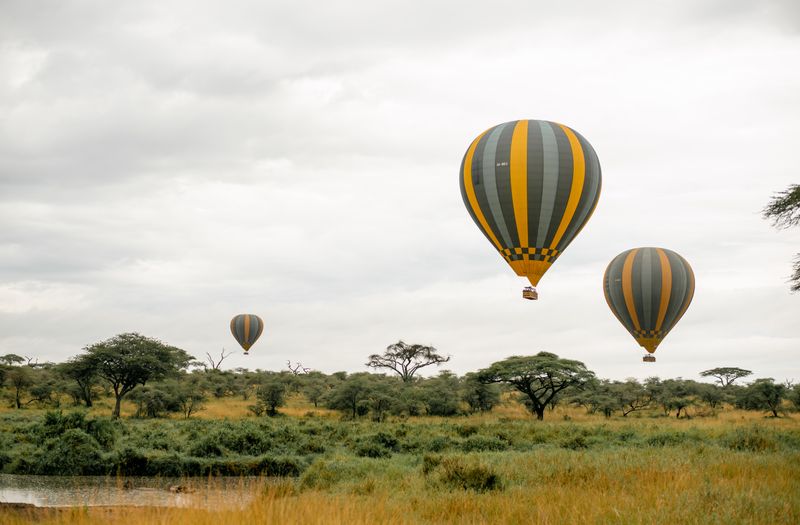
Serengeti National Park is the geographic heart of the migration: its plains stretch to the horizon and shift roles with the month, working as a nursery, a highway or a crossing point for the herds. In the south, near Ndutu, the short grasslands draw pregnant females between January and March; in the center, the Seronera savanna concentrates wildlife year-round; and in the north, the Kogatende region becomes the stage for the great Mara River crossing between July and October.
 Second stop
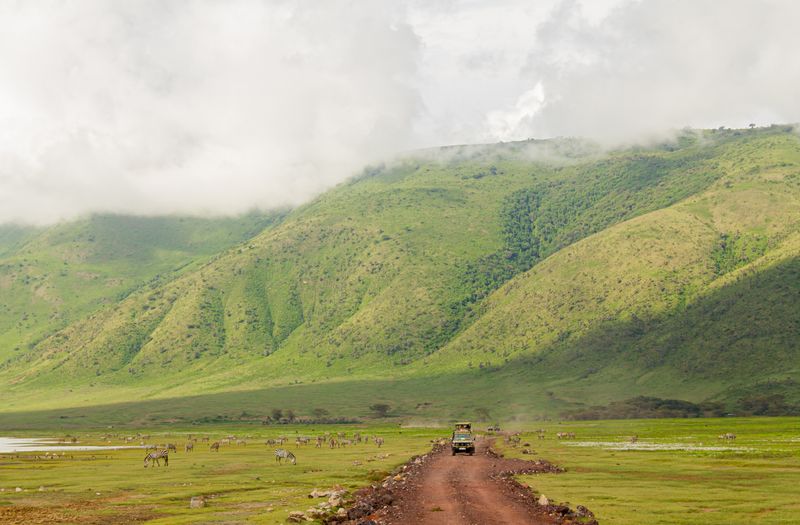
The Ngorongoro Crater isn't directly part of the wildebeest migration route, but it's an unmissable stop for its concentration of wildlife: lions, elephants, black rhinos and one of the highest densities of predators on the continent all share a volcanic cauldron of barely 260 square kilometers. It's also the perfect vantage point for understanding the geography that connects the highlands with the Serengeti plains.
 Third stop
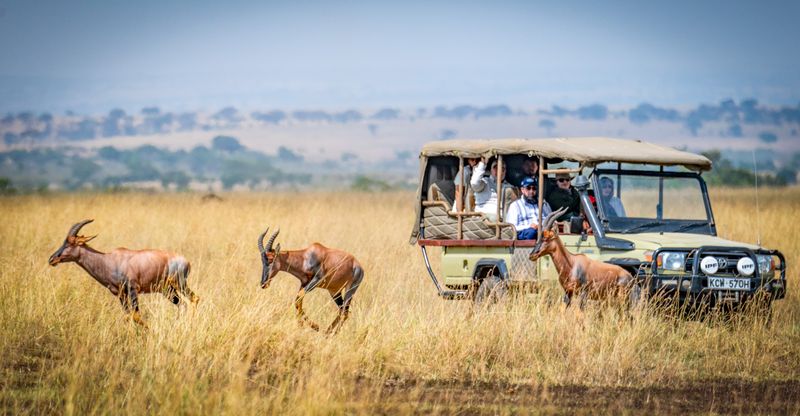
Crossing the border into Kenya, the migration changes its name but keeps the drama: the Masai Mara is where the herds risk their lives against the crocodiles of the Mara River, usually between July and September, before heading back to the Serengeti around October. The private conservancies that ring the reserve offer safaris away from peak vehicle traffic, with access to landscapes just as spectacular.