A trip that inspires · Iconic routes
Provence
Endless lavender fields, golden-stone villages and the scent of thyme under the southern French sun.
Endless lavender fields, golden-stone villages and the scent of thyme under the southern French sun.
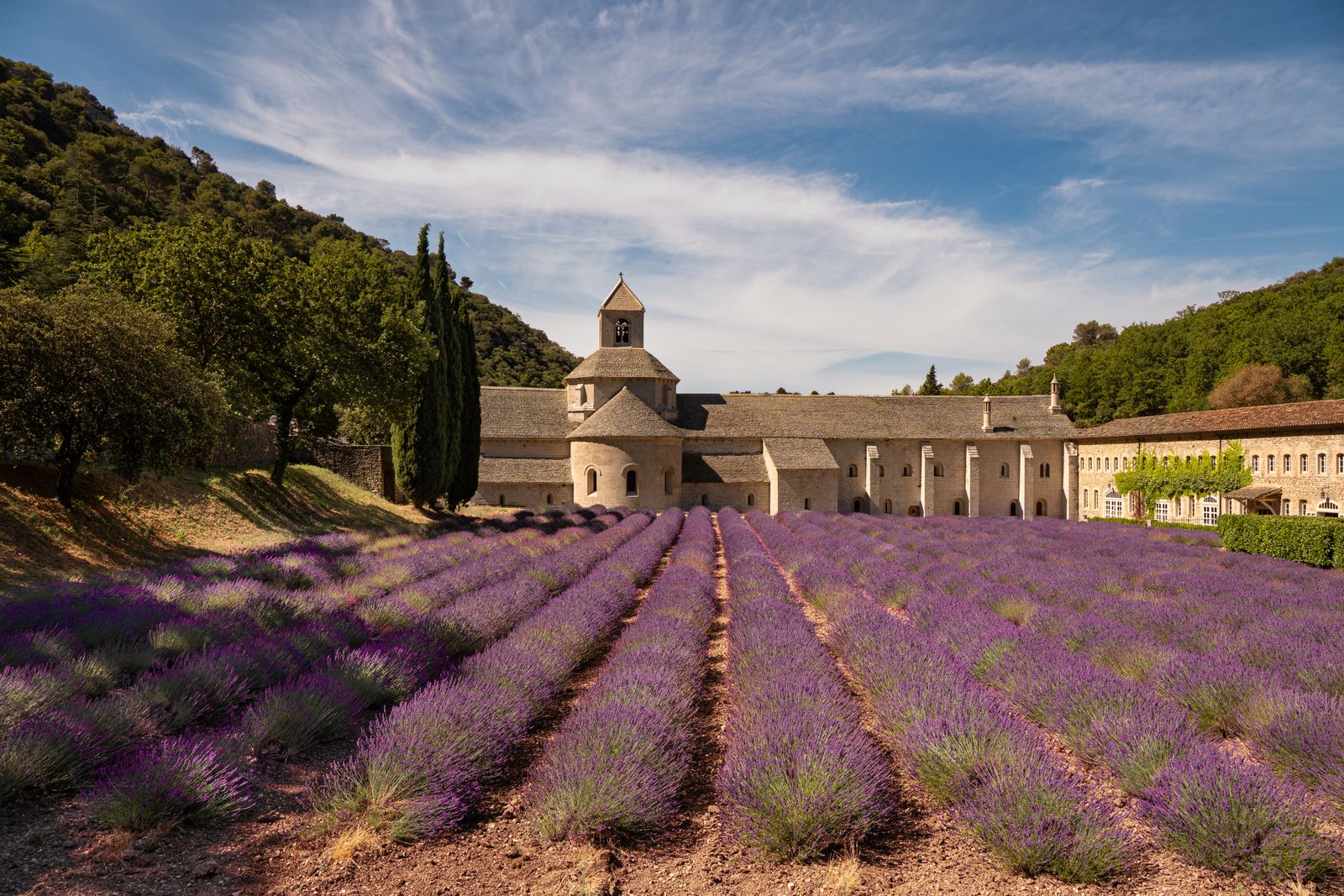
Traveling to Provence is like stepping into a painting that changes color with the seasons: between late June and mid-July, the lavender fields wash the Valensole plateau and the Luberon in violet, while golden-stone villages like Gordes and historic towns like Aix-en-Provence and Avignon keep the same unhurried rhythm they've held for centuries. This guide brings together when to go, how much to budget, a reference route and where to stay so you can soak up the south of France without rushing.
Each stop has its own character: Aix-en-Provence breathes elegance and markets beneath its century-old plane trees, Gordes and the Luberon deliver the postcards everyone pictures when they think of Provence, and Avignon wraps travelers in its papal history behind medieval ramparts. In between, roads lined with cypresses, olive groves and sunflowers make the journey as memorable as the destination.
| Level | Per person / day | What it includes |
|---|---|---|
| Backpacker | USD 60-80 | Hostels or simple hotels, markets and bakeries, regional bus or bike |
| Mid-range | USD 130-170 | Boutique hotels or B&Bs, local restaurants, a rental car to explore the villages |
| Premium | USD 280 or more | Mas (country estates) or hotels with a pool, fine Provençal dining, private lavender and vineyard tours |
Budget on the ground, per person, excluding international flights.
Renting a car is the way to go: the magic of Provence lives as much in the stops as in the road between them, scattered with fields and villages that never make it onto a fixed itinerary.
 First stop
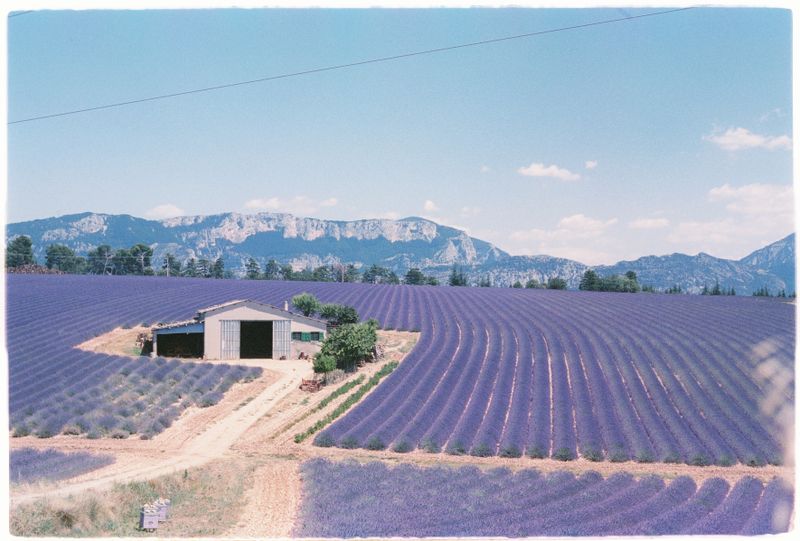
Aix-en-Provence moves at the slow pace of a city that knows it never has to hurry. Its cobbled streets lined with plane trees, its stone fountains on every corner and the ochre-colored mansions of the old town tell the story of a place that is at once university town and aristocratic capital. The Cours Mirabeau is the heart of it, made for strolling with a coffee in hand, and the studios where Paul Cézanne worked remain open for anyone who wants to follow in his footsteps.
 Second stop
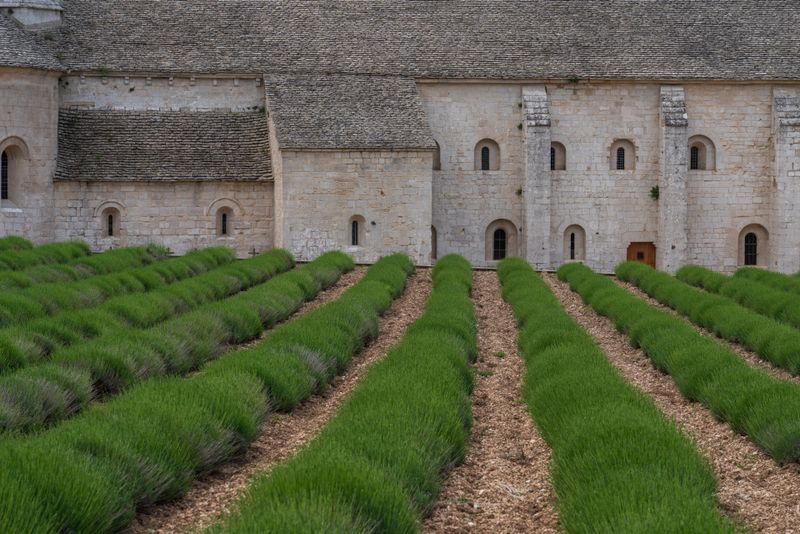
Gordes looks out over the valley from the top of a crag, its stone houses stacked one on top of another as if carved from the same block of rock. It's the postcard almost everyone has in mind when they picture Provence, and it doesn't disappoint: steep lanes, a medieval castle at its center and views that stretch all the way to Mont Ventoux. A few minutes away, the Sénanque Abbey is ringed with lavender in bloom, and villages like Roussillon, with its ochre cliffs, complete the Luberon route.
 Third stop
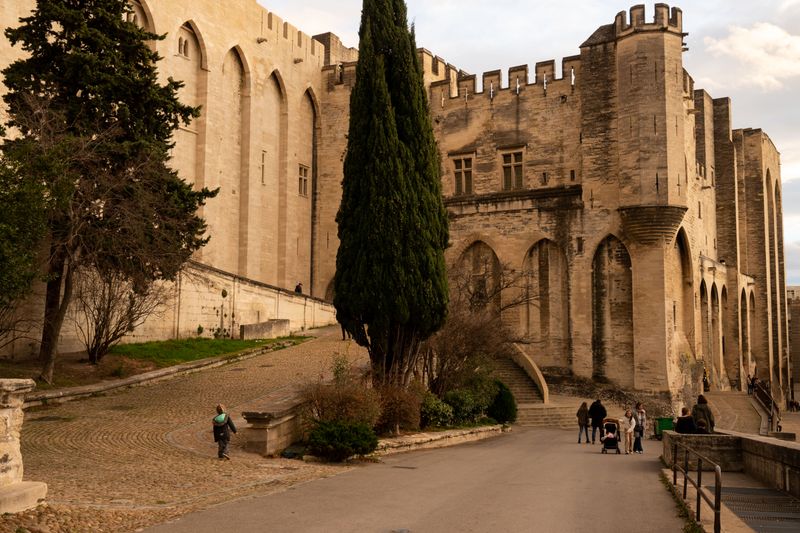
During the 14th century, Avignon was the seat of the Catholic papacy, and that past shows in every stone of the Palace of the Popes, the largest Gothic fortress in Europe. The whole city is ringed by almost intact medieval ramparts, and the famous Saint-Bénézet Bridge, which breaks off halfway across the Rhône, is still as photographed as when it inspired the children's song that bears its name. At night, the riverside terraces and lamplit squares invite you to end the trip at a gentle pace.