Travel that inspires · Iconic routes
Interrail Eurotrip
Hop on the train and let every station hand you a brand-new country.
Hop on the train and let every station hand you a brand-new country.
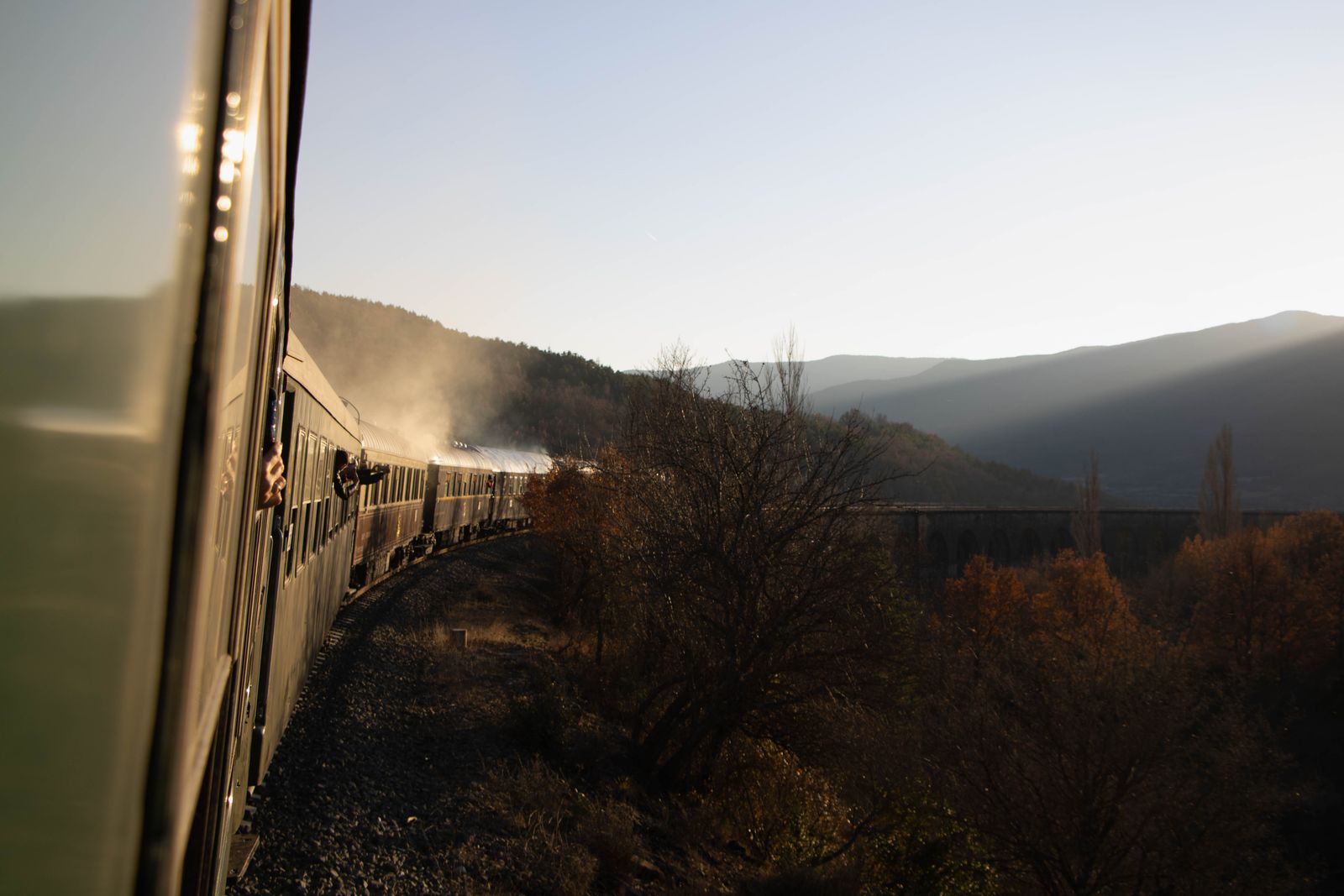
An Interrail eurotrip is still one of the freest ways to cross Europe: a single rail pass carries you from Paris to Berlin and from Berlin to Rome with no airport layovers, the window doubling as a cinema screen. The best time to travel Interrail through France, Germany and Italy runs from May to June or September to early October, when the weather plays along and the cities breathe a little easier than at the height of summer. This guide lays out the daily budget by tier, a reference 18-day route and where to stay at each stop.
The itinerary strings together three countries with opposite personalities: the orderly romance of Paris, the raw, nocturnal energy of Berlin, and the warm chaos of Rome. Between one station and the next there are naps in the carriage, windows full of open fields and that feeling — so quintessentially Interrail — that the trip begins the moment you board, not when you arrive.
| Tier | Per person / day | What it covers |
|---|---|---|
| Backpacker | USD 45–55 | Hostel dorm bed, supermarket food and the odd food truck, public transport, free activities. |
| Mid-range | USD 90–110 | Private hostel room or 3-star hotel, two meals out, one paid activity per city, the occasional taxi or rideshare. |
| Premium | USD 180–220 | Boutique or 4-star hotel, hand-picked restaurants, private tours, first-class train reservations. |
On-the-ground budget, per person, excluding international flights and the cost of the Interrail pass.
This route puts the quality of each stay ahead of the number of cities: three stops truly lived beat six done at a sprint. High-speed cross-border trains can require a seat reservation on top of the pass, so it pays to book them a few weeks ahead.
 First stop
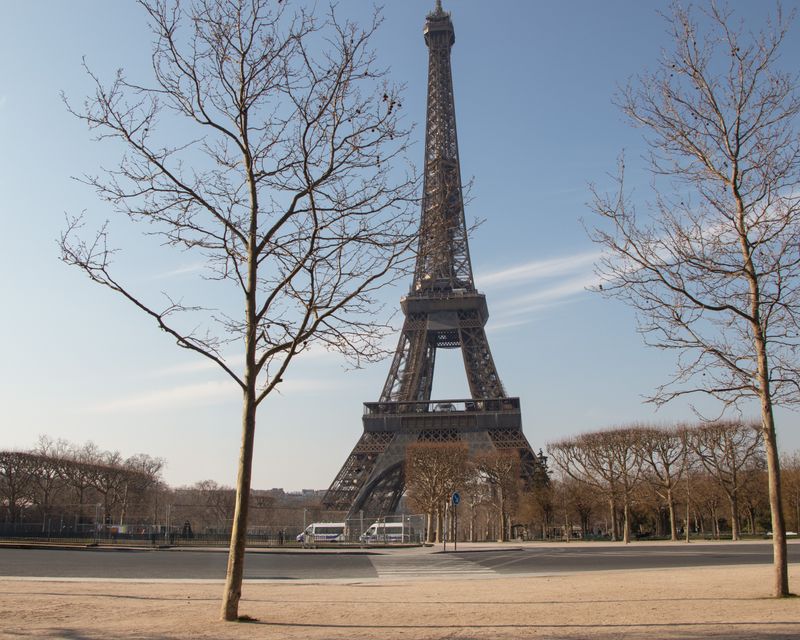
Paris is the perfect opening act for an Interrail eurotrip because it packs into a few square kilometers what other cities spread over weeks: world-class museums, neighborhoods that change character from one street to the next, and a metro network that makes any other transport unnecessary. Book timed tickets to the big museums so you don't lose half a day in line, and keep one afternoon plan-free to get lost around Le Marais or the Canal Saint-Martin.
 Second stop
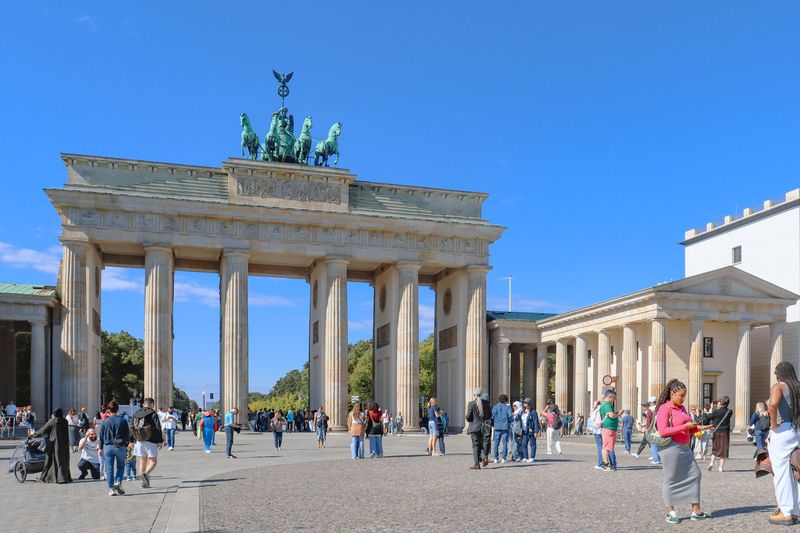
Berlin greets the Interrail traveler with the opposite energy to Paris: less monumental, rawer, with layers of recent history still visible on every wall. Walking the East Side Gallery, crossing Kreuzberg by day and by night, and parking yourself at a Späti in the late afternoon is enough to understand why so many backpackers end up staying more days than they planned.
 Third stop
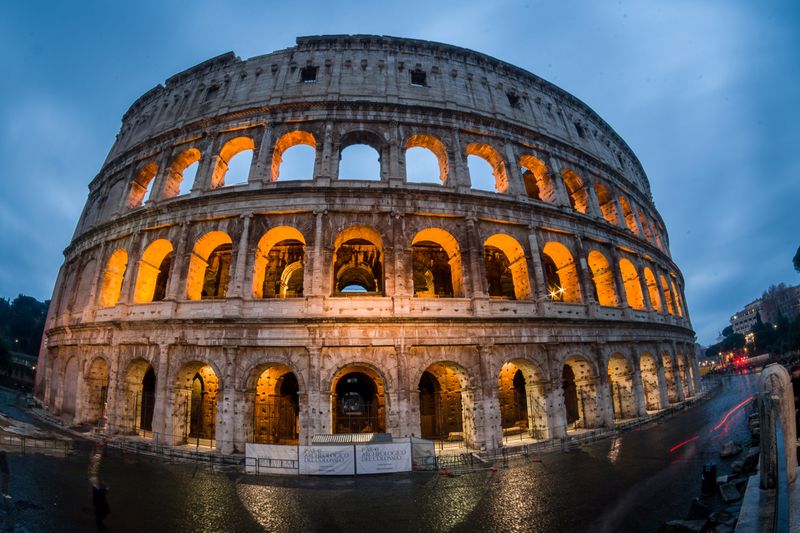
Rome is the ideal place to close the loop: chaotic, loud and generous, with ruins that appear unannounced between ordinary apartment blocks. After the more orderly days in France and Germany, Rome forces you to let go of the minute-by-minute itinerary and drift through Trastevere at night or into a trattoria that isn't in any guidebook.