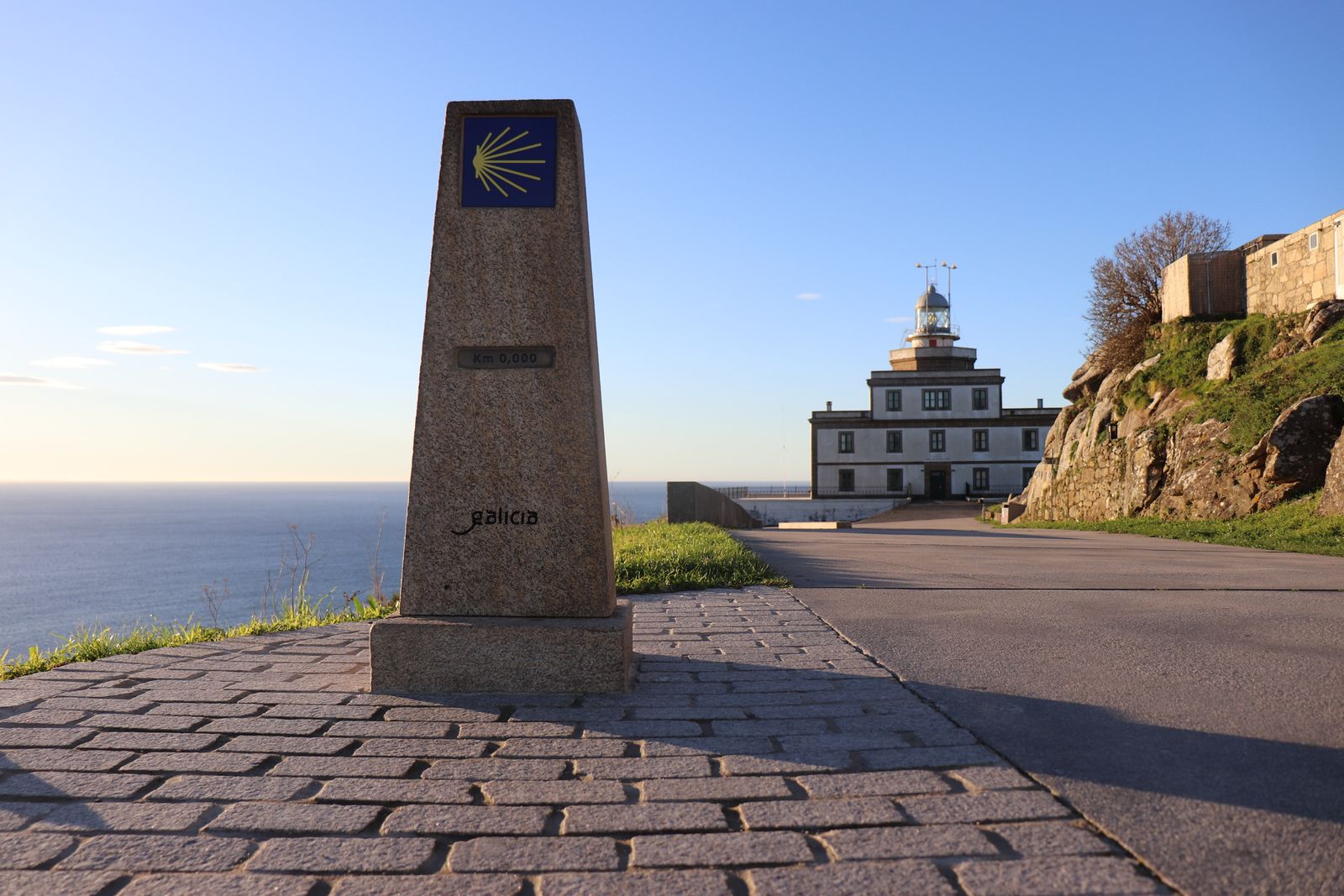
Trips that inspire · Iconic routes
Camino de Santiago
One step at a time, cross the whole of Spain to the embrace of the Apostle.
One step at a time, cross the whole of Spain to the embrace of the Apostle.
Walking the Camino de Santiago means crossing Spain on foot, from the Pyrenees to Galicia, along a thousand-year-old pilgrimage route that today draws walkers from all over the world. This guide brings together the best time to walk (May, June and September), the daily budget by travel style, the recommended route along the Camino Francés and where to sleep at each key stage, from Roncesvalles to the Praza do Obradoiro.
Between oak forests, endless plateau and villages of golden stone, every day sets its own rhythm: the physical push of the morning, a conversation with a stranger over lunch, the shared silence at dusk. It is not just a journey across Spain: it is a journey inward, with your backpack as the only certainty.
| Style | Per person / day | What it includes |
|---|---|---|
| Backpacker | USD 25–35 | Municipal or parish albergues, pilgrim's set menu, getting around on foot |
| Mid-range | USD 50–70 | Private albergues or guesthouses, meals in local bars and restaurants |
| Premium | USD 120 and up | Rural hotels and pazos, backpack transfer between stages, tasting-menu dinners |
On-the-ground budget, per person, excluding international flights.
The Camino Francés is the most-walked and best-marked route of them all: around 780 kilometres split into some 32 stages, with albergues every few kilometres and a community of pilgrims that forms from the very first day. If time is tight, many walk only the final stretch from Sarria, which is enough to earn the Compostela.
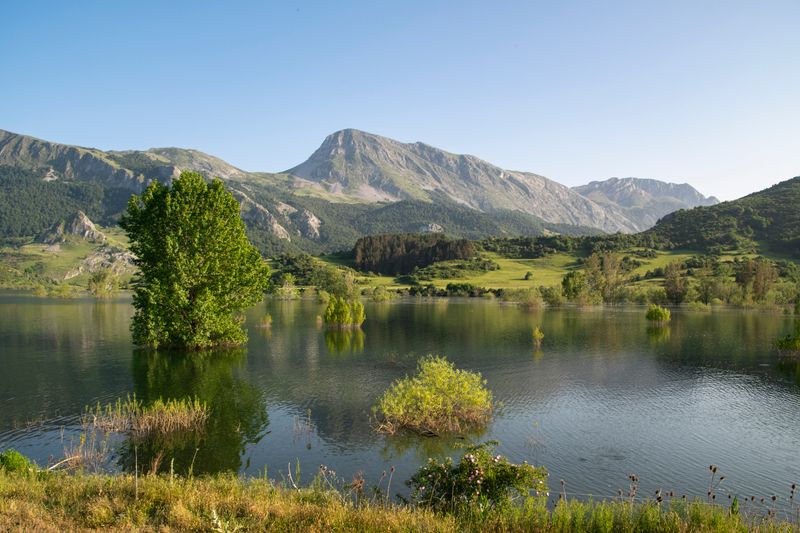 First stop
It all begins at a 12th-century monastery ringed by beech forests, where generations of pilgrims have spent their first night before facing the hardest stage of the Camino Francés: the climb and descent through the Pyrenees. The cold mountain air, the sound of bells at dawn and the first stamp on your credencial mark a beginning that stays with you forever.
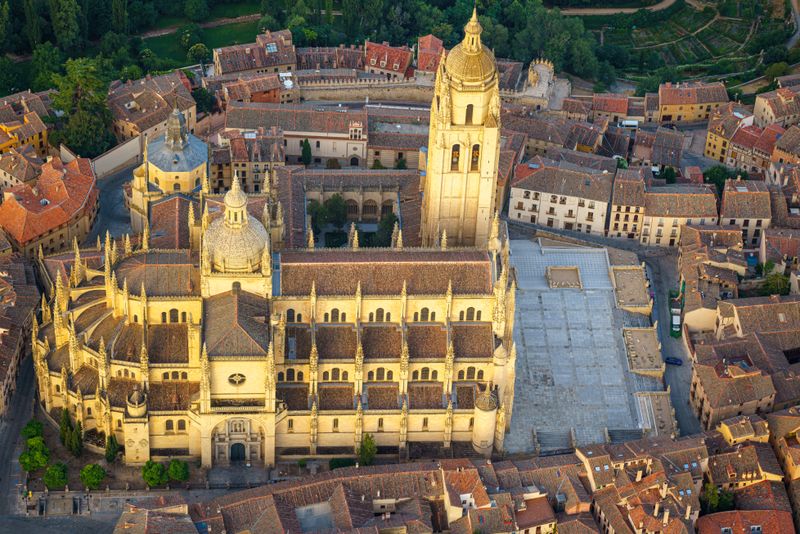 Second stop
After days of flat horizon and Castilian wind, León feels like a reward: its Gothic cathedral with luminous stained glass, the Barrio Húmedo with free tapas on every glass of wine, and streets that beg you to walk without a backpack for an afternoon. Many pilgrims stay an extra day here, and rightly so: it's the liveliest city on the whole route.
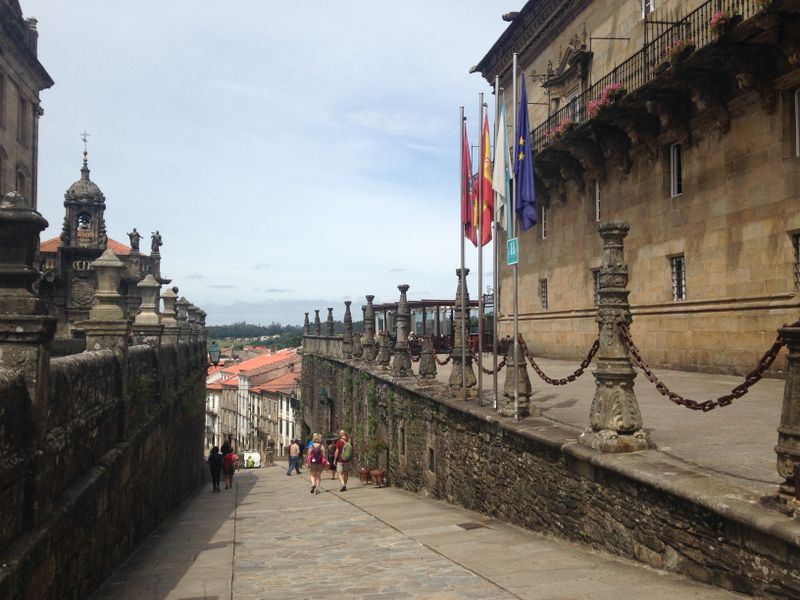 Third stop
Nothing quite prepares you for the moment you step into the Praza do Obradoiro and see the cathedral towers for the first time. It makes no difference whether you've been walking for five days or thirty-two: the embrace of the Apostle, the pilgrim's mass and the botafumeiro swinging over the nave close the journey with an emotion you share with strangers who have, by now, become companions on the road.